
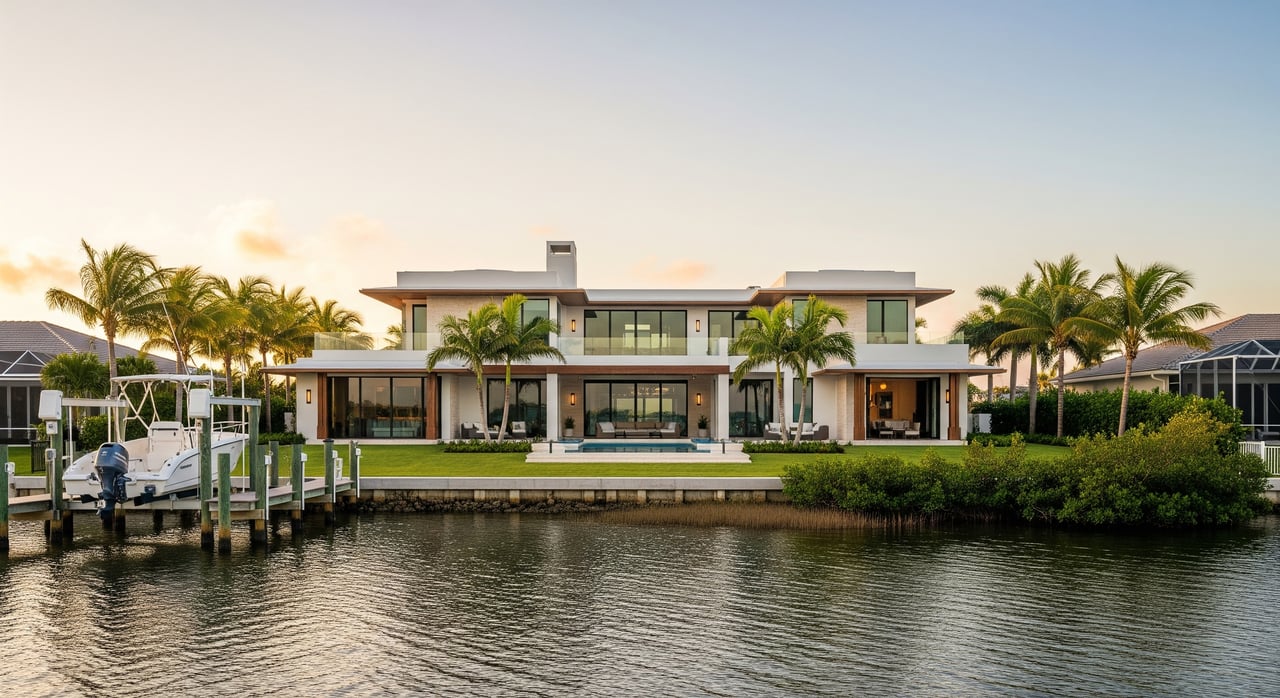
Thinking about selling in Holiday and not sure where to price your home? You are not alone. With waterfront pockets, flood zones, and seasonal buyer swings, Holiday can feel tricky to price. In this guide, you will learn a clear, step-by-step plan to set the right price, read your micro-market, and position your home for a strong sale. Let’s dive in.
Know the Holiday market basics
Holiday is a patchwork of micro-neighborhoods. You will find waterfront and intracoastal homes, inland single-family neighborhoods, manufactured home communities, and small condo buildings. Values change a lot based on water access, dock or seawall condition, and community amenities.
Flood risk matters. Parts of Holiday fall within FEMA flood zones. Flood zone status and insurance costs affect buyer budgets and can reduce the pool of buyers. If your home has an elevation certificate or lower premium history, highlight it early.
Seasonality plays a role. Buyer traffic often rises in fall and winter when snowbirds arrive. Your pricing and launch plan should match buyer demand. Proximity to U.S. 19, access to Tampa Bay job centers, shopping, parks, and local schools also shape desirability.
Inventory and mortgage rates influence timing. New construction nearby can compete with resale. When inventory is tight, you have more pricing power. Mortgage rate swings can slow or speed buyer decisions, so watch days on market and price reductions around you.
Step 1: Gather rock-solid comps
The foundation of a good price is a clean set of comparable sales.
Focus on recent, nearby sales
- Start with closed sales from the last 30 to 180 days, tighter if your area has many sales.
- Keep geography tight. Begin inside your subdivision or within about a quarter to one mile for similar neighborhoods. Expand only if you do not have enough matches.
- Track actives and pendings to see current competition, but rely on closed sale prices for value.
Match property types and features
- Compare single-family to single-family, condos to condos, and manufactured homes within parks to similar park homes.
- Account for waterfront status, view, and water access. A canal home with a dock is not a fair comp for an inland home.
What to pull for each comp
- Sale date, sale price, list price history, and days on market.
- Living area square footage and lot size.
- Beds, baths, garage or parking, pool, and any water features like seawall or dock.
- Year built, effective age, and condition notes from photos.
- Any concessions noted in the MLS, such as seller-paid closing costs.
- Property taxes, HOA fees, and special assessments if applicable.
Step 2: Adjust for differences
After you collect comps, adjust for what makes your home different. The goal is to estimate what each comp would have sold for if it were most similar to your home.
Common Holiday adjustments
- Living area: Use a price per square foot baseline from your best comps, then adjust for size differences.
- Lot and water: Adjust for waterfront versus inland, view quality, lot depth, and navigability. Seawall condition and dock presence can carry real premiums.
- Beds and baths: Extra functional bedrooms and full baths often add value within the comp set.
- Pool and garage: Pools, covered lanais, and garages are common buyer wants.
- Major systems: Roof, HVAC, plumbing, and electrical updates reduce buyer repair concerns.
- Permitted improvements: Permitted kitchen or bath remodels, room additions, and impact windows typically carry more value than unpermitted work.
- Flood factors: Elevation and flood zone can influence buyer willingness to pay. Lower expected flood insurance premiums can support stronger pricing.
Keep your rationale clear
Document every adjustment and the reason behind it. Use paired sales in your neighborhood when possible, for example, two near-identical homes, one with a pool and one without, to estimate a realistic pool premium. Clarity builds buyer and appraiser confidence.
Step 3: Weigh condition and upgrades
Condition is often the tiebreaker between good and great results.
Align to a clear condition tier
- Good entry: Dated finishes but well maintained.
- Updated: Kitchens and baths refreshed with mid-range materials, neutral paint, newer flooring.
- Premium: Recent high-end remodels, quality fixtures, and cohesive design.
- Major repairs needed: Significant deferred maintenance or structural issues.
What tends to move price in Holiday
- Waterfront assets: Sound seawall, usable dock, and easy water access are heavily scrutinized. Keep receipts and inspection notes.
- Roof and HVAC: Newer or recently serviced systems reduce buyer repair requests and support stronger pricing.
- Permits and documentation: Permitted work with certificates of completion is easier to market and appraise.
- Cosmetics and staging: Clean, uncluttered rooms and fresh paint help demand, even if finishes are not brand new.
Step 4: Read micro-market signals
Short-term indicators help fine-tune where you should list within your range.
Inventory and absorption
Calculate months of inventory by dividing the number of active listings by the average monthly sales. Fewer months of inventory suggests a seller’s market, more supports a buyer’s market. Use this to set how aggressive you price.
Days on market and list-to-sale ratio
If nearby homes sell quickly and close near or at list price, you can lean higher. If price cuts are common and DOM is rising, list closer to the center of your adjusted comp range.
Price band sensitivity
Buyers often search by round numbers, for example up to 300,000. Placing your price just below a common threshold can expand your buyer pool. Choose your band based on the comps and who your likely buyer is.
Step 5: Choose a pricing strategy
Your goal and the market tempo will guide your approach.
Market-value pricing
List near the adjusted comp median. This draws steady showings and tends to produce predictable offers. It is a good fit when you want a solid, timely sale without chasing a top-end outlier.
Underpricing to create demand
List slightly under the best comps to drive showings and potential multiple offers. This works best when inventory is tight and similar homes are moving fast. Set an offer review plan to manage interest.
Aspirational pricing
List above comps to test for a premium, often when condition is excellent or the home has rare features like direct water access. Expect more days on market and plan for timely adjustments if activity lags.
Price rounding and thresholds
Be smart about cutoffs. A price at 299,900 reaches buyers searching up to 300,000. If you aim at a higher bracket, confirm that your comps and condition justify it.
Step 6: Set your price range and plan
Turn your analysis into a clear price band with a monitoring schedule.
- Low, quick-sale price: Positioned at the lower end of adjusted comps to attract more buyers fast.
- Target, market price: Aligned to the most similar closed comps after adjustments.
- Stretch, test-the-market price: Above adjusted comps when upgrades, seasonality, or rare features support a premium.
Build a review plan:
- Day 7 check: Confirm online views, showings, and feedback match expectations. If traffic is light, adjust marketing or price presentation.
- Day 14 check: If there are few showings or no offers, evaluate a measured price adjustment based on comp gaps and feedback.
- Day 30 reset: Reassess the comp set, new pendings, and actives. Decide on a larger adjustment or refreshed marketing push.
Step 7: Prep documents that impact price
Gather the paperwork buyers and appraisers will ask for. Having it ready can protect your price.
- Recent property tax bill and assessed values.
- Survey or plat, deed, and any elevation certificates.
- HOA documents, rules, and fee details.
- Permit history and completion certificates for renovations.
- Receipts for major work, such as roof, HVAC, kitchen or bath.
- Any prior inspection reports and insurance claim history.
- Flood zone information, insurance estimates, and premium history if available.
- A list of included appliances and recent photos.
Avoid common Holiday pricing mistakes
- Ignoring flood zone and insurance costs that affect buyer budgets.
- Mixing property types in comps, for example, comparing a park model to a single-family.
- Leaning on old sales beyond 6 months when current inventory has shifted.
- Pricing just above a major search threshold without strong support.
- Overlooking seawall or dock condition on waterfront listings.
- Skipping a pre-listing inspection for older or waterfront properties, which can lead to big concessions later.
Plan for seasonality and launch timing
The first two weeks on market are usually the most active. Align your price with your marketing push, photos, and open houses. If you can, launch into stronger demand periods, often fall and winter, while still letting the comp set lead your price.
How Rick helps you price right
Pricing well is part data, part local feel. Here is the practical workflow you can expect when you team up for a listing in Holiday:
- Pull the best active, pending, and closed comps from your subdivision and nearby lookalikes, with a focus on the last 90 days.
- Verify parcel data for accuracy, including lot size, living area, and age.
- Walk the property to assess condition, upgrades, deferred maintenance, and the age of major systems.
- Select 3 to 6 strongest comps and apply clear adjustments for square footage, water features, pool, garage, permits, and flood factors.
- Produce a Low, Target, and Stretch price band with written reasoning and backup comps you can review line by line.
- Set a 7, 14, and 30 day monitoring plan with clear reprice triggers based on showings and feedback.
- Prepare a disclosure and permit packet so buyers and appraisers have what they need to support your price.
Ready to see where your Holiday home should be priced today? Reach out to Rick Bishop to get your free home valuation and a clear plan to market your home with confidence.
FAQs
How do flood zones affect pricing in Holiday?
- Flood zone status and expected insurance costs can reduce buyer pools and affect value, so include elevation certificates and premium details to support your price.
What adds the most value for waterfront homes?
- Usable water access, a sound seawall, and a functional dock tend to carry the most weight, with condition documentation helping buyers justify a premium.
Is fall or winter the best time to list?
- Buyer interest often rises in fall and winter, but list timing should still follow the comp set, current inventory, and your readiness to launch with strong marketing.
Should I get a pre-listing inspection?
- It can be a smart move, especially for older systems or waterfront properties, since it reduces surprises and strengthens your negotiating position.
How long will my Holiday home take to sell?
- Days on market depend on price relative to comps, condition, and inventory, so use neighborhood DOM benchmarks and adjust quickly if activity is light.